
Ask an AI tool about your company and it won't read the homepage the way a person does. It pulls from structured facts it already trusts, and cross-checks them across sources. If the facts aren't there, or don't agree with each other, the model skips it, or gets your story wrong. Either way, that's a hit to how findable you and your company are online.
Two things, often confused
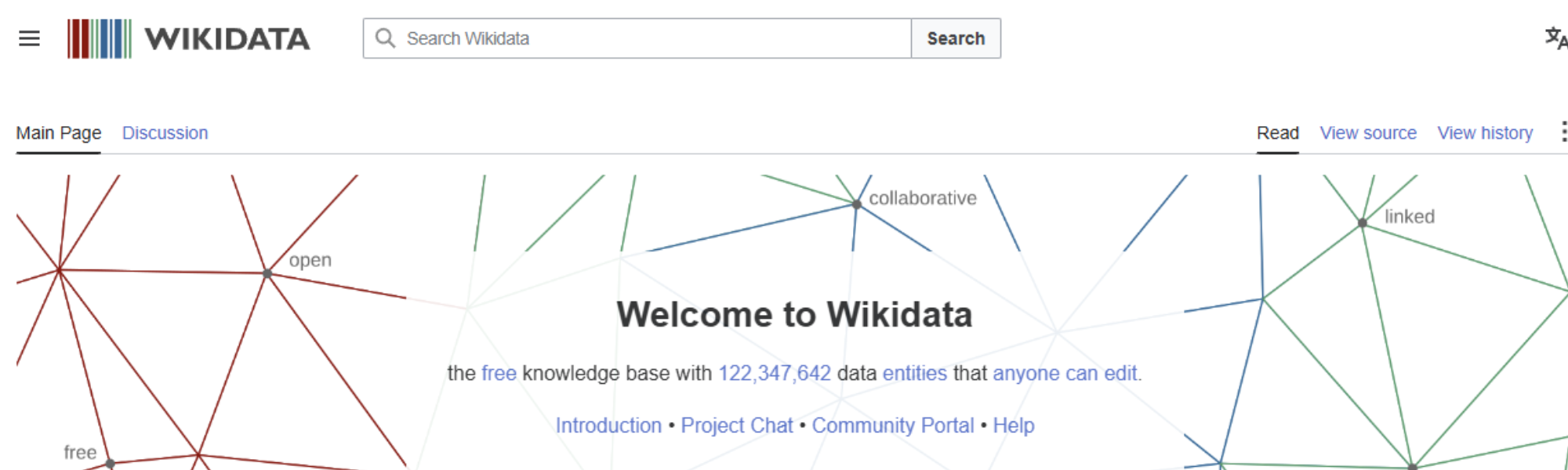
Wikipedia is the article a human reads: prose, paragraphs, a story. Wikidata is the database underneath it, structured facts about who founded a company, when, where it's based, what it does. Each fact is linked to a source and machine-readable. That's the whole point.
They're related, but you can have one without the other. Wikidata has a much lower bar. You don't need to be famous. You need to be real and verifiable. A well-sourced Wikidata item takes far less coverage than a full Wikipedia article. For most companies and most founders, Wikidata is the realistic entry point.
Why it matters for being found online
Google's Knowledge Graph is the clearest example of the pattern. It's the structured database behind knowledge panels, rich results, and a lot of what AI answers draw on. Wikidata sits alongside Wikipedia as one of its core sources, alongside many more.
The mechanism that matters is corroboration. When Wikidata, a regulatory filing and a LinkedIn profile all say the same thing, the model assigns high confidence to that fact. When only a company's own website makes a claim, the model stays sceptical.
One source is a claim. Several sources that agree is a fact. That's why consistency beats cleverness.
If a company name shows up three slightly different ways across the web, the model's job gets harder. It picks one at random, or skips the entity altogether.
The multilingual part matters too. Wikidata is multilingual by design: the item has one universal ID, but labels and descriptions live in every language. Update a core fact once, and it's available to AI queries in Italian, German, Japanese, whatever. For anyone selling across borders, that's not a small detail. It's the difference between being findable in one market and being findable everywhere you operate.
What the structure actually asks of you
A company and its founder are two separate entities, linked by a relationship, not merged into one. Every fact carries a source: incorporation date, awards, certifications, even education, backed by the universities themselves.
Wikidata is strict about where each fact goes. A qualification isn't an award. A field of study isn't a field of work. Put a fact in the wrong field and it gets flagged. That strictness feels annoying at first. It's also the reason the data is trustworthy enough for machines to build on. Accuracy comes first, detail second.
My question for you
Do you and your company have an updated Wikipedia, or at least a Wikidata entry, based on your size? And if you do, would it survive a fact-check?
Would the founder's name resolve to a real, separate, sourced entity, or is it just floating text? If you're not sure, that uncertainty is the answer. It means an AI tool asked about your category right now is working with whatever it can scrape, not with what you'd choose to tell it. Worth a review, probably sooner than you think.
I go through exactly this kind of gap when I audit a company's international go-to-market. Findability isn't a side project, it's part of the system. If you want a second pair of eyes on yours, get in touch.
Originally published on LinkedIn. Join the discussion and leave a comment there.